Fishing Hotspots: How to Use Your Fish Finder to Find the Best Locations
The effectiveness of a fish finder can transform an angler's outing. By pinpointing fish locations and mapping out submerged structures, it elevates the entire fishing outing. Grasping the ability to analyze sonar signals and leverage GPS functions is critically important. Still, a great many fishermen tend to ignore the nuances that can ultimately determine success. The journey toward mastering these tools and uncovering the best fishing hotspots starts with a few essential strategies. What are the most important factors to consider?
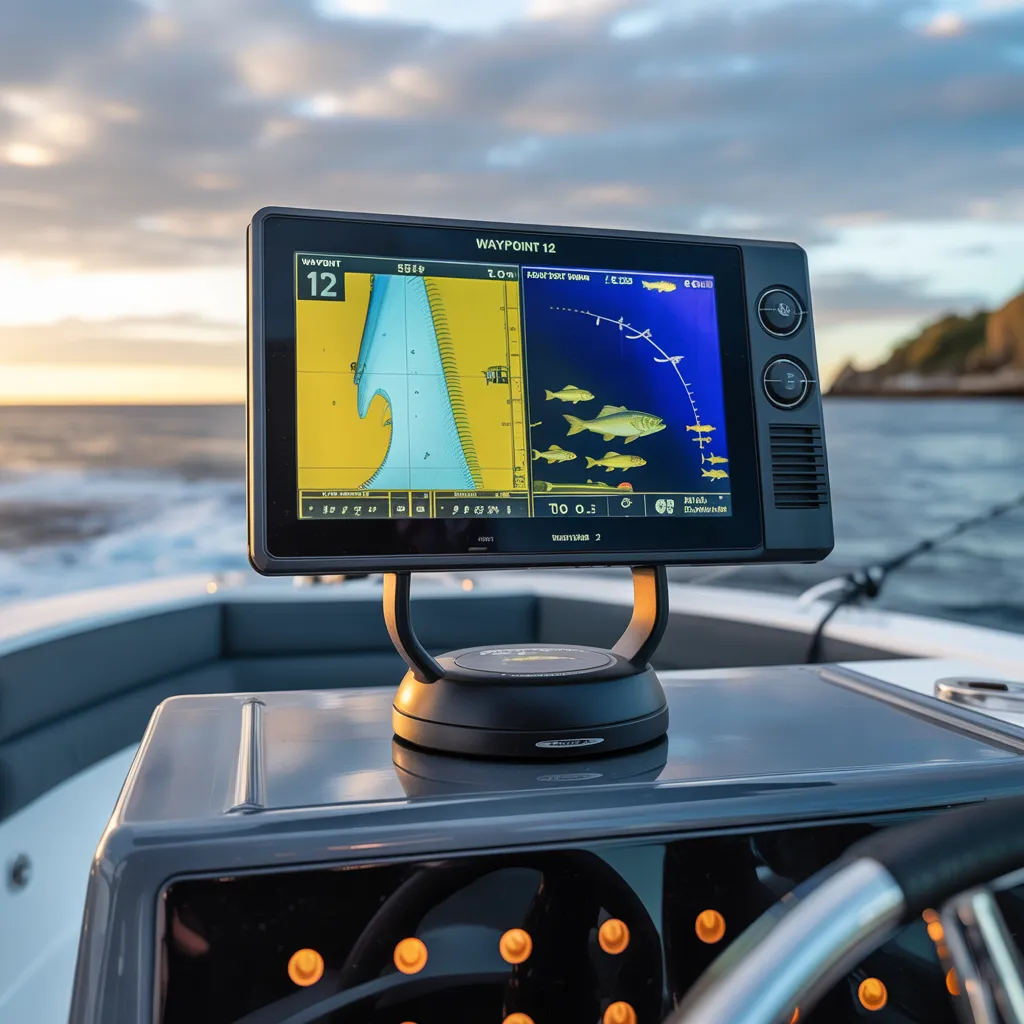
The Reasons a Fish Finder Is Vital for Every Angler
Many anglers find that using a fish finder significantly improves their fishing experience. This tool empowers them to identify underwater structures, depth changes, and fish populations, greatly increasing their chances of a successful catch. By offering live data, fish finders help anglers seamlessly navigate numerous water bodies, locating prime spots that would otherwise stay hidden.
Furthermore, fish finders frequently feature with capabilities such as GPS mapping, which assists fishers in remembering promising sites for later excursions. The capacity to examine the underwater terrain helps with comprehending fish activity and feeding habits, enabling fishermen to more details effectively determine the best tackle and approaches.
At its core, a fish finder changes fishing from pure chance into a strategic pursuit, furnishing anglers with the tools necessary to make educated choices. Therefore, it is a smart acquisition for both novice and seasoned fishermen regardless of experience, enhancing overall pleasure and performance on the water.
Learning the Core Concepts of Fish Finders
While fish finders may seem complex at first glance, knowing their core components and features is crucial for unlocking their full potential. Fundamentally, a fish finder is made up of a transducer, which emits sonar waves into the water, and a screen unit that processes the incoming signals. The transducer transmits sound waves that reflect off underwater objects, including fish, underwater formations, and the lake or ocean floor.
The signals travel back to the transducer, supplying information that appears visually on the display. This helps anglers pinpoint fish locations, water depth, and underwater landscapes. The accuracy of this information is influenced by aspects like the sonar frequency and the performance of the unit. Additionally, understanding how to interpret the displayed data is important for effective fishing. Understanding these core aspects enables anglers to make confident decisions, elevating their fishing performance and achievements on the water.
Important Features of a Fish Finder
Understanding the fundamental features of fish finders sets the stage for recognizing their key capabilities. Central to these units is the sonar capability, which employs sound waves to discover objects beneath the surface, including fish and structures. The display screen is another vital part, delivering a visual interpretation of the sonar output, commonly equipped with personalized controls for clarity and detail.
Transducer units, designed for sending and receiving acoustic signals, differ in frequency and cone angle, impacting detection range and coverage zones. GPS integration enhances functionality by allowing users to mark and navigate to particular fishing locations. Additionally, functions like depth alarms and mapping capabilities support an enhanced fishing experience.
In the end, integrating these features helps anglers to locate and target fish more effectively, improving their likelihood of a productive fishing trip. Understanding these key aspects empowers users to make informed decisions when selecting a fish finder.
How to Optimize Your Fish Finder Settings
Optimizing sonar device settings can considerably boost an fisherman's ability to locate fish and underwater structures. To accomplish this, anglers should start by calibrating the sensitivity. Higher sensitivity can display more information, while lower sensitivity minimizes interference. Additionally, the frequency setting plays a key role; higher frequencies deliver superior detail in shallow water, whereas lower frequencies are better suited for deeper waters.
Changing the transducer cone angle plays a significant role as well. A broader cone angle provides a wider field of view, but might reduce precision, while a more restricted angle offers precision in specific areas.
Furthermore, switching between display modes, such as down imaging or side imaging, can help visualize aquatic environments more effectively. As a final step, consistently calibrating the fish finder maintains maximum performance. By optimizing these settings, anglers can greatly improve their ability to locate fish and elevating their overall fishing experience.
Reading Fish Finder Data
Understanding fish finder readings necessitates a firm understanding of sonar technology, as it is the cornerstone of these tools. Detecting fish symbols and interpreting depth indicators are vital for efficient fishing strategies. This understanding equips anglers to form informed decisions about where to cast their lines.
An Overview of Sonar Technology
As fishing enthusiasts navigate the world of fish finders, understanding the fundamentals of sonar technology is crucial for effective fishing outings. Sonar, which stands for Sound Navigation and Ranging, uses sound waves to identify objects underwater. Fish-finding devices produce sound signals that move through the water, reflecting off objects like fish, rocks, and the seabed. The device then interprets these echoes, converting them into visual data on a screen. Understanding the difference between conventional 2D sonar and advanced CHIRP technology can improve an angler's capacity to locating fish more effectively. By assessing the depth, size, and density of these echoes, anglers can more efficiently organize their fishing efforts, leading to a more fruitful experience on the water.
Spotting Fish Symbols
How can anglers effectively identify fish symbols on their fish finders? Grasping the multiple indicators on the screen is vital for achieving fishing success. Fish finders typically display fish as symbols or icons, often resembling arcs or fish shapes, which indicate the presence of fish in the water column. Fishermen need to understand that these icons differ depending on the make and configuration of the fish finder. The size and color of the symbols can offer additional insights; larger symbols may suggest bigger fish. Furthermore, being able to tell the difference between baitfish and game fish is essential. By properly understanding these symbols, anglers can boost their likelihood of pursuing the right fish in their most frequented fishing spots.
Depth Reading Indicators
Interpreting fish markers on a fish finder provides a solid foundation for reading depth indicators. These displays reveal the underwater environment and water column, critical for finding fish. Depth readings are commonly shown in standard measurements, allowing anglers to determine how deep they are casting. A uniform depth can signal favorable fishing grounds, while unexpected variations may indicate underwater structures, such as ledges or underwater formations, that bring in fish. Anglers should also pay attention to the color and intensity of the signals; stronger color signals often indicate denser objects, like schools of fish. Identifying these patterns helps anglers to plan effectively about optimal casting spots, increasing their likelihood of catching fish.
Identifying Hotspots Through Your Fish Finder
Whereas numerous anglers trust their instincts and experience to discover fish, utilizing a fish finder can greatly enhance their ability to identify hotspots. A fish finder employs sonar technology to identify submerged structures, fish populations, and depth changes, making it an essential device for identifying highly productive fishing zones.
To effectively find hotspots, anglers should take note of features such as drop-offs, submerged rocks, and vegetation, which often attract fish. The sonar display will reveal these structural elements, permitting anglers to concentrate their fishing where fish are most likely to gather.
In addition, tracking water conditions such as temperature and clarity can improve the identification of hotspots. Distinct species seek out specific water conditions, and a fish finder can reveal these subtleties. By blending modern technological data with time-tested fishing expertise, anglers can increase their chances of success and maximize their time on the water.
Popular Questions We Receive
Is It Possible to Use a Fish Finder From Shore or Just on a Boat?
A fish finder can be used from shore, but the results it delivers vary based on the unit and conditions. Many shore anglers find portable units beneficial for scanning nearby waters, enhancing their fishing experience and success.
How Do Weather Conditions Impact Fish Finder Performance?
Weather conditions significantly affect fish finder functionality. Heavy rain, strong winds, or temperature fluctuations are capable of affecting signal precision and reliability, impacting the device's ability to detect aquatic structures and fish movement in various environments.
What Types of Fish Are Most Commonly Detected by Fish Finders?
Fish finders are commonly used to detect species such as trout, bass, and catfish. These devices use sonar technology to identify fish locations, giving anglers valuable information into aquatic populations and increasing their odds of catching fish.
Can Mobile Apps Be Used to Enhance Traditional Fish Finders?
Indeed, various smartphone applications complement conventional fish finders by offering instant data, navigation tools, and user insights. These tools elevate the fishing experience, allowing users to discover ideal fishing areas and observe environmental factors more efficiently.
How Frequently Should I Update My Fish Finder Software?
Experts recommend updating fish finder software no less than once per year or whenever a new version is released. Regular updates enhance functionality, increase accuracy, and ensure compatibility with evolving technology, ultimately enhancing the overall fishing experience for users.